Childcare Maintenance in Melbourne: Staying Ahead in 2026
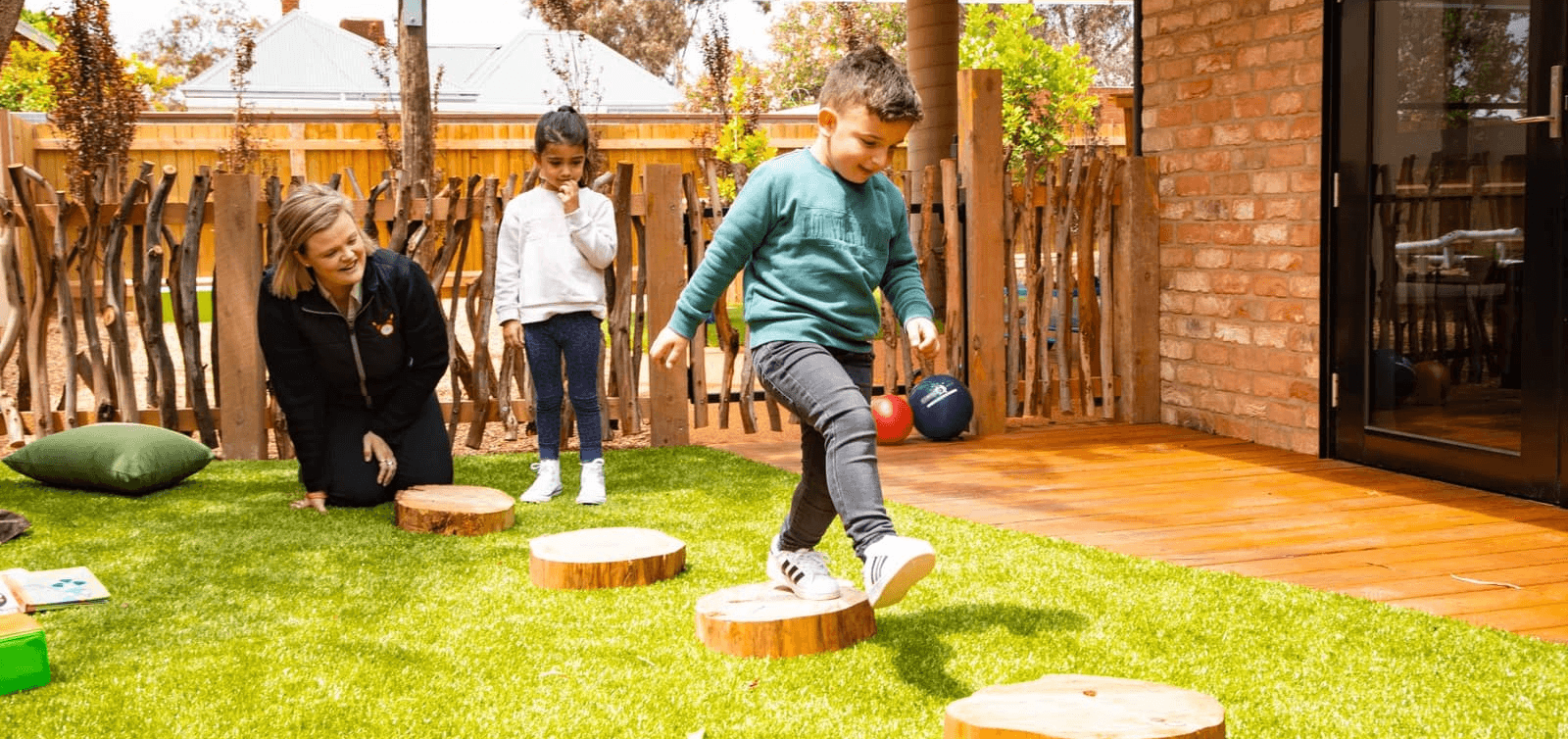
The childcare sector in Victoria is changing, and expectations around safety, presentation and day-to-day upkeep are only increasing.
In 2026, that matters more than ever. Victoria’s Best Start, Best Life reforms continue to reshape the early childhood sector, the Victorian Early Childhood Regulatory Authority commenced operations on 1 January 2026, and further child-safety law changes took effect from 27 February 2026. Together, these changes point to a sector under greater scrutiny, with stronger focus on safety, quality and operational standards.
For childcare centres across Melbourne, maintenance is not just about fixing things when they break. It is about staying ahead, keeping the environment well presented, and making sure smaller issues do not turn into bigger disruptions.
Why maintenance matters more in 2026
A well-maintained childcare centre supports more than appearance alone. It affects how a service feels to families, how smoothly the day runs for staff, and how confidently operators can manage the site overall.
That is especially relevant in the current Victorian environment. VECRA says it is focused on improving service quality and child safety, and the regulator now has powers aimed at quicker intervention where a child’s safety, health or wellbeing is at risk, alongside more frequent compliance checks and stronger enforcement.
For providers, the message is clear: expectations are rising, and the physical condition of the environment is part of that picture.
Presentation matters
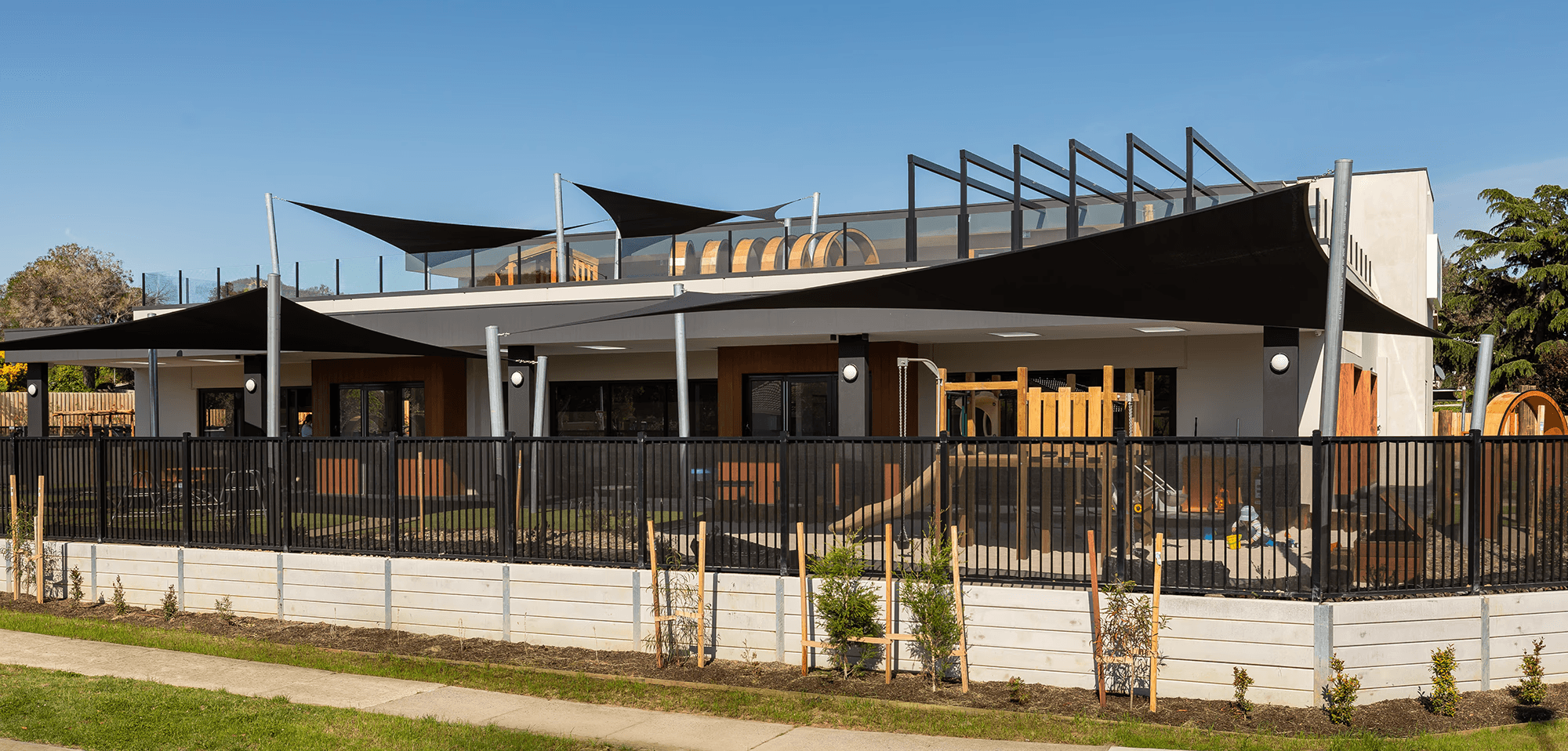
In childcare, presentation carries weight. Outdoor areas, entry points, amenities, gates, fencing, painted surfaces and general upkeep all shape how a centre feels day to day. A site that is tidy, well maintained and clearly cared for feels safer, more organised and more professional.
Often, it is the smaller details that make the biggest difference:
loose door hardware
worn paint and patching
broken glass or damaged fixtures
overgrown garden beds
drainage issues
untidy paths and entry areas
general wear across high-traffic spaces
These are easy to delay when a centre is busy, but when they build up, the whole site can start to feel more reactive.
The problem with reactive maintenance
Reactive maintenance will always be part of managing a childcare centre. Urgent issues happen and need to be resolved properly and quickly. The problem is when reactive maintenance becomes the default approach.
When that happens, maintenance often becomes more disruptive, more expensive and harder for centre teams to stay on top of. Smaller jobs are pushed aside until they become urgent, and too much time is spent chasing trades, clarifying scope or working around issues that should have been handled earlier.
What staying ahead looks like
For childcare centres in Melbourne, staying ahead usually means focusing on the areas that most affect safety, presentation and daily function.
That often includes:
preventative maintenance, such as air conditioning servicing, gutter clearing and checking gates and latches
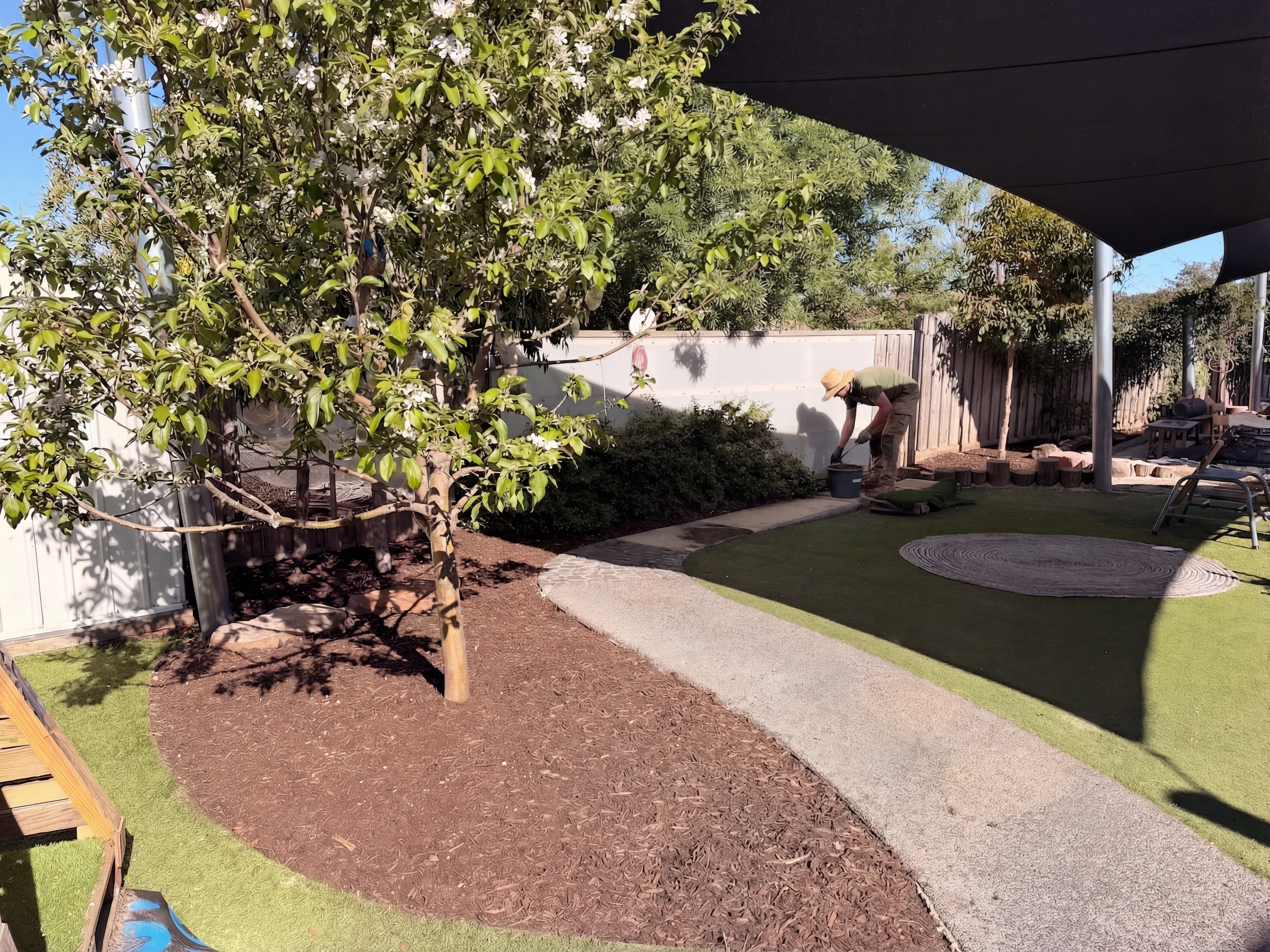
grounds care and outdoor presentation, including mowing, pruning, mulching, sand management and power brooming in high-traffic areas
internal upkeep and minor repairs, such as loose handles, finger guards, paint repairs and amenity issues
better visibility around essential services, scheduled testing, records and follow-up actions
This matters even more in 2026, as the Victorian sector continues adjusting to reform, expanding programs and new regulatory requirements. The Best Start, Best Life rollout is continuing over multiple years, and operational changes across the sector mean many services are balancing growth and change at the same time.
A better maintenance model matters
A lot of childcare centres do not need more complexity. They need a better way of managing the work.
When maintenance is spread across multiple contractors, scattered emails and inconsistent follow-up, it becomes harder to keep control. A more practical model is one that brings together:
one point of contact
reliable coordination
better visibility across jobs
faster follow-through
a clearer balance between reactive and preventative maintenance
That makes it easier to keep a centre safe, well presented and functioning properly over time.
Final thoughts
For childcare centres in Melbourne, staying ahead in 2026 means taking a more proactive approach to maintenance, grounds care, essential services and presentation.
It is not about overcomplicating things. It is about keeping the centre current, well maintained and easier to manage in a sector where expectations are only increasing.
That is where the right facilities partner can make a real difference.
Property Care Handled